Wayward Ending Explained: What Really Happens And Why The Ending Feels So Unsettling
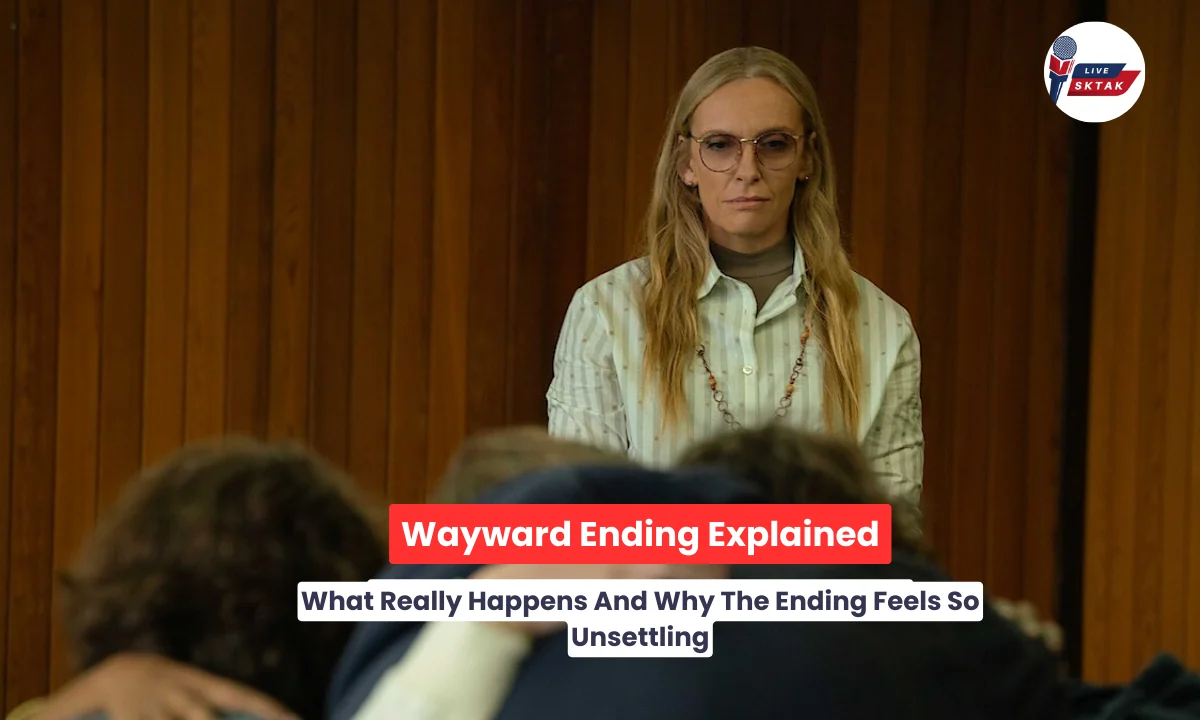
Wayward Ending Explained: What Really Happens And Why The Ending Feels So Unsettling | Image Via NetFlix
Wayward ending explained is one of the most searched questions after viewers finished the Netflix limited series. The final episode leaves many moments unresolved and emotionally heavy, which has confused and divided audiences. Instead of offering a clean resolution, Wayward closes its story with ambiguity, symbolic choices, and uncomfortable truths about trauma, control, and the illusion of escape.
The ending focuses less on plot twists and more on emotional consequences. Some characters leave Tall Pines while others stay trapped, not always by force but by belief. This approach has led to mixed reactions, with some viewers calling the finale powerful and others feeling disappointed by the lack of closure.
Key takeaways
- The escape sequence is a fantasy, not reality
- Abbie is the only character who truly leaves Tall Pines
- Alex chooses comfort and conformity over escape
- Evelyn’s fate is left intentionally unclear
- The ending highlights cycles of trauma and control

What The Final Escape Scene Really Means
The most confusing moment in the Wayward ending is the escape sequence involving Alex, the newborn baby, and Abbie. At first, it appears that Alex finally makes the right choice and leaves Tall Pines behind. This scene is calm, hopeful, and emotionally relieving.
However, this sequence is revealed to be imagined. It represents what Alex wishes he could do rather than what he actually does. The show makes it clear that this moment is a fantasy built from guilt, fear, and longing.
In reality, Alex does not leave. He closes the door and stays inside Tall Pines, accepting a life that feels safer but deeply compromised.
Why Alex Chooses To Stay In Tall Pines
Alex’s decision is one of the most tragic parts of the ending. He understands that Tall Pines is unhealthy and controlling. He sees that his child is being claimed by the community. Yet he still stays.
This choice reflects a core theme of the series. Escape is not always about physical freedom. Alex stays because he values the idea of family stability and emotional attachment over moral clarity. He believes he can manage the situation from within, even though the signs suggest otherwise.
The ending shows that awareness alone does not guarantee escape.
Abbie’s Escape And Why It Matters
Abbie is the only character who truly leaves Tall Pines. Her escape is real, quiet, and unresolved. There is no celebration or promise of safety waiting for her.
Her exit matters because it shows that escape is possible, but costly. Abbie leaves behind her best friend, her trauma, and any sense of certainty. She drives past the town sign alone, which confirms her freedom but also her isolation.
This moment provides the only real hope in the ending, even though it is fragile.
Why Leila Stays Behind
Leila’s decision to stay frustrates many viewers. However, it fits her emotional journey. Leila is deeply shaped by guilt, self-blame, and unresolved trauma. Tall Pines offers her a sense of belonging, even if it is manipulative.
The series suggests that Leila believes she is a burden to others. Staying feels like protection rather than surrender. She chooses familiarity over uncertainty, even when that familiarity is harmful.
This choice reinforces the show’s message that trauma can make control feel like comfort.
Evelyn’s Fate And The Meaning Of The Green Doors
Evelyn’s ending is deliberately unclear. After being injected with her own hallucinogenic drug, she collapses and enters a mental state represented by endless green doors.
The series does not confirm whether she is dead, alive, or permanently lost in her mind. This ambiguity is intentional. The green doors symbolize control turning inward. The manipulator becomes trapped by the same system she created.
Instead of punishment through death, Evelyn faces isolation and loss of authority, which may be a deeper consequence.
Laura’s Rise And The Cycle Of Control
By the end of the series, Laura steps into a leadership role within Tall Pines. She believes she can do things differently. She claims her approach will be more compassionate.
The show subtly warns against this belief. Laura repeats many of the same patterns, even if her intentions differ. The community structure remains intact, and the baby becomes a shared possession.
This suggests that systems of control survive through belief, not just leadership.
The Baby Scene & Its Disturbing Symbolism
The birth scene is emotionally unsettling. What should be private becomes communal. The baby is passed around, stripped of individual boundaries.
This moment confirms Alex’s fear. His idea of family no longer exists. The baby represents the future being shaped by collective ideology rather than personal choice.
It also reinforces the theme that trauma is passed down when cycles are not broken.
Public Reaction To The Wayward Ending
Public opinion on X shows a divided response. Many viewers describe the ending as heartbreaking and hopeless. They expected escape and closure but received moral compromise instead.
Others appreciate the honesty of the finale. They view it as a realistic portrayal of how trauma and control operate in real life. Several viewers praised the refusal to offer a happy ending.
Toni Collette’s performance received widespread admiration. Many called her portrayal unsettling and deeply convincing. Abbie’s escape was often mentioned as the emotional anchor of the finale.
What The Ending Of Wayward Is Really Saying
The Wayward ending explained becomes clearer when viewed through its themes rather than its plot. The series argues that freedom is rare, difficult, and often incomplete.
Not everyone escapes. Not everyone wants to. Control does not always look like violence. Sometimes it looks like belonging.
The ending stays with viewers because it reflects uncomfortable truths rather than offering relief.
Tags: wayward ending explained, wayward netflix ending, wayward finale meaning, wayward explained, netflix wayward ending, wayward series analysis, psychological thriller endings
Related Posts :


Share This Post